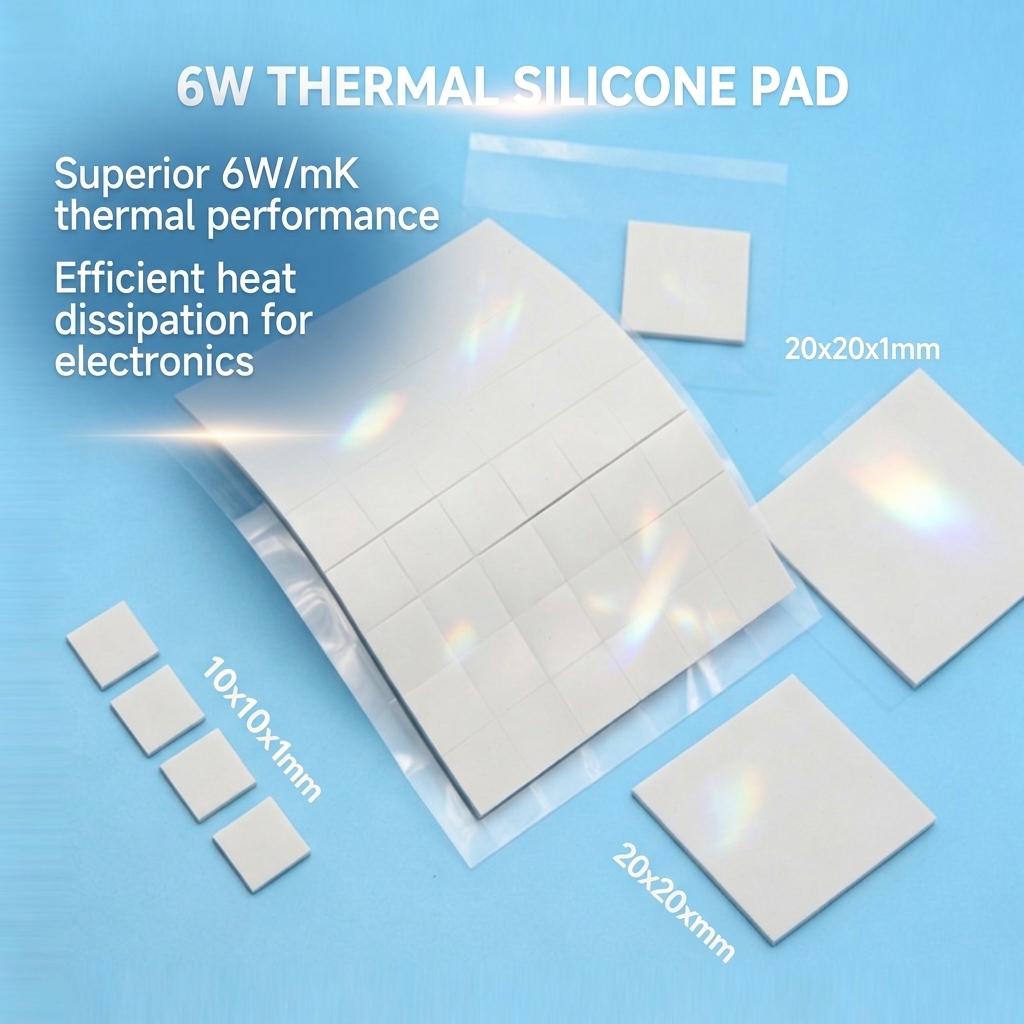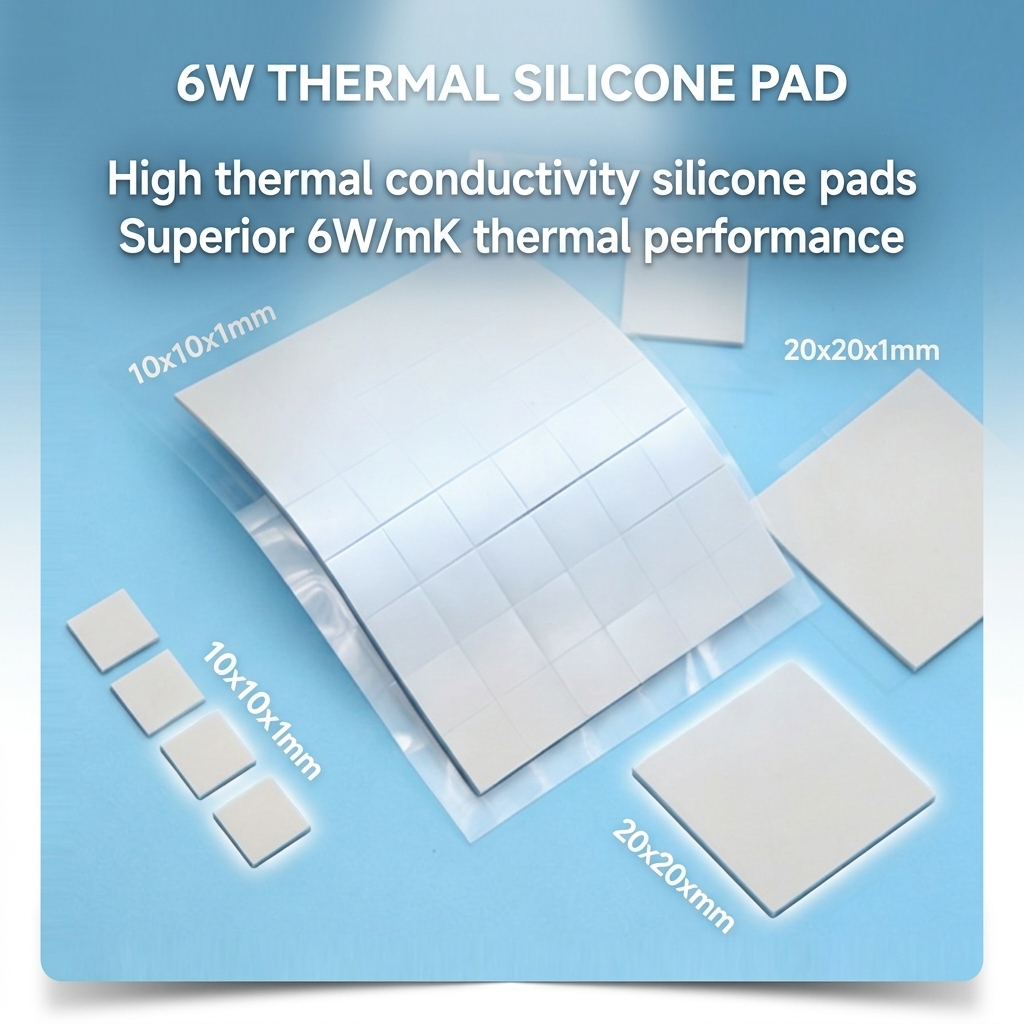
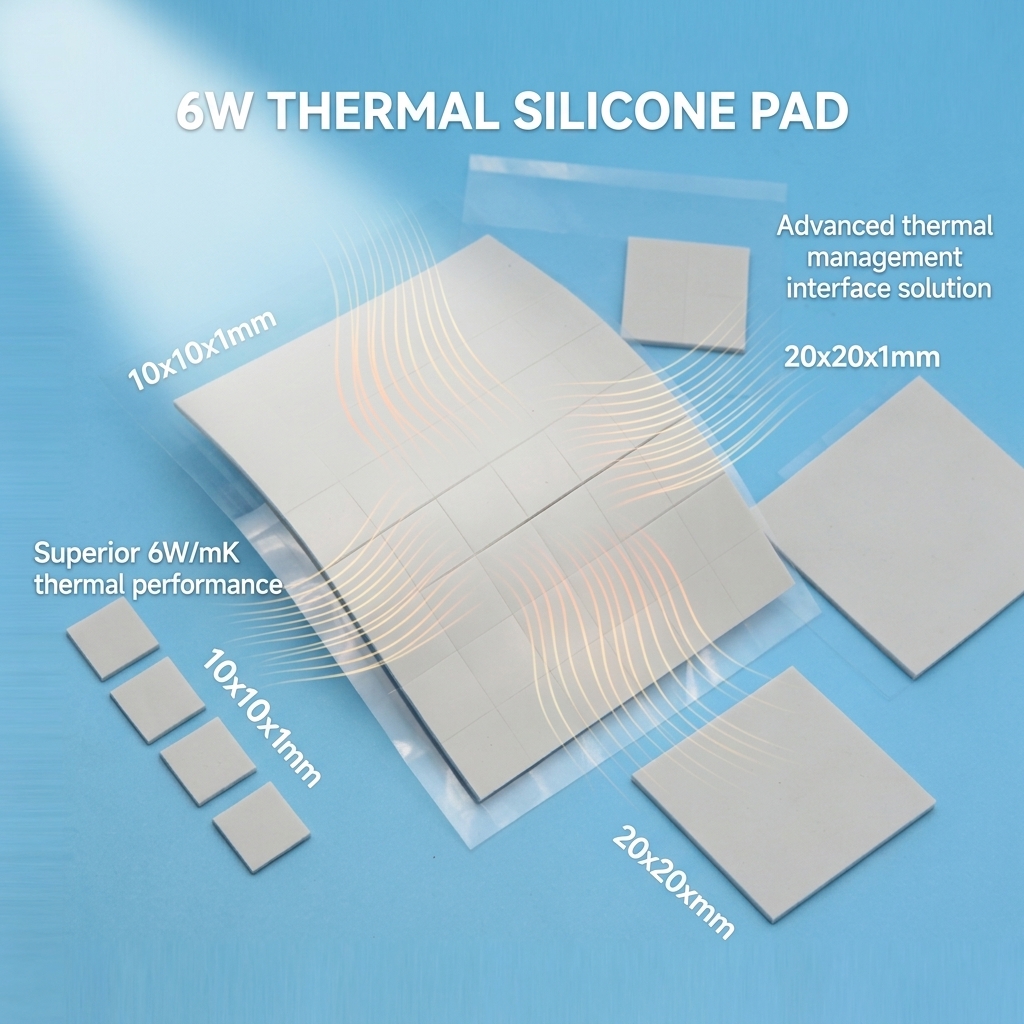
0.8–12W/mK No Leakage UL RoHS Safe for EV Battery Pack Thermal Management
Product Specification
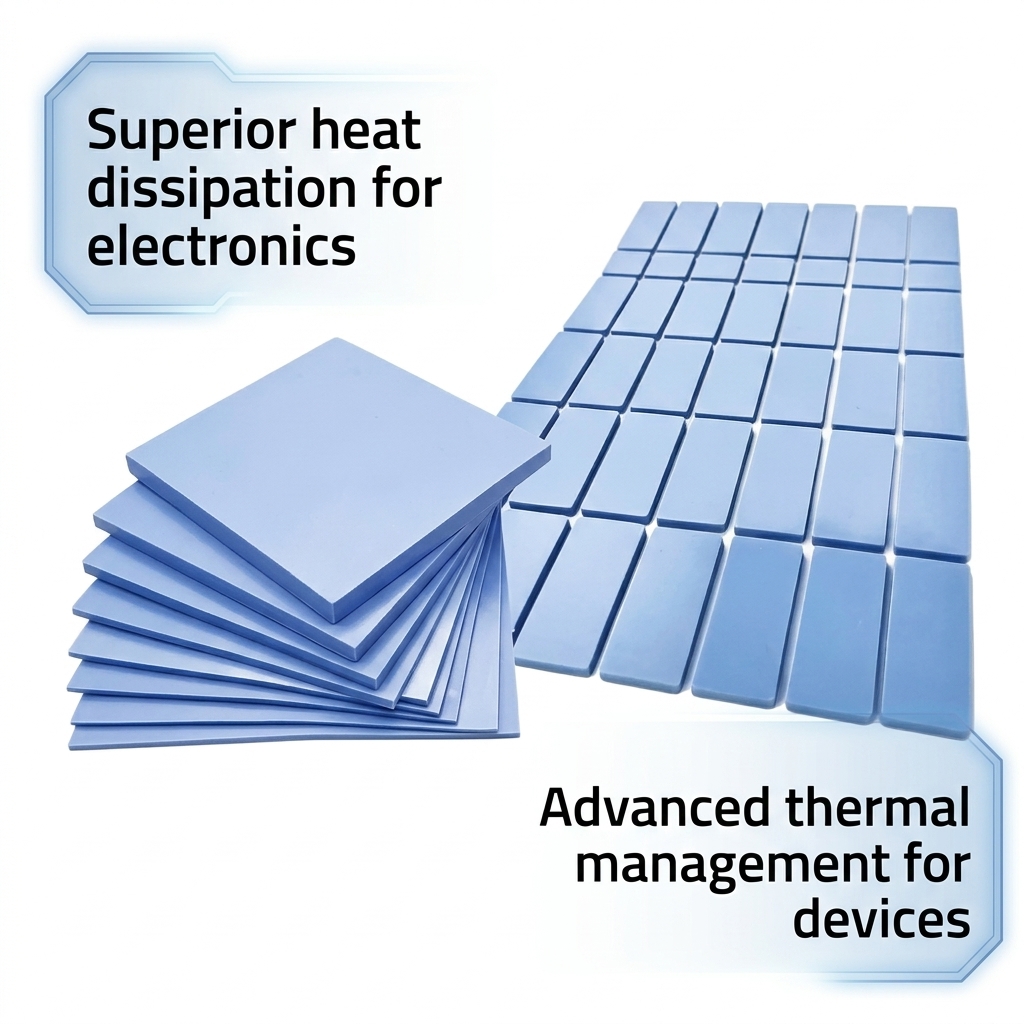
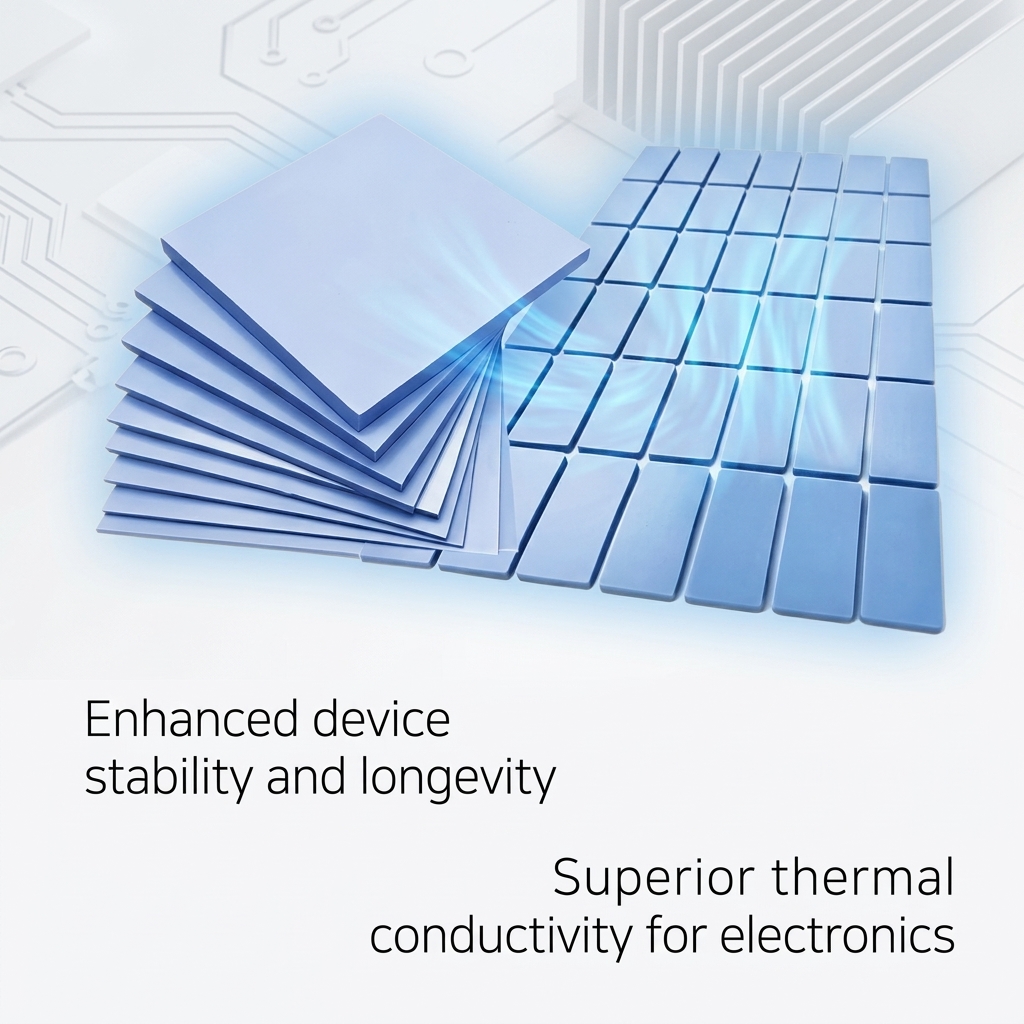
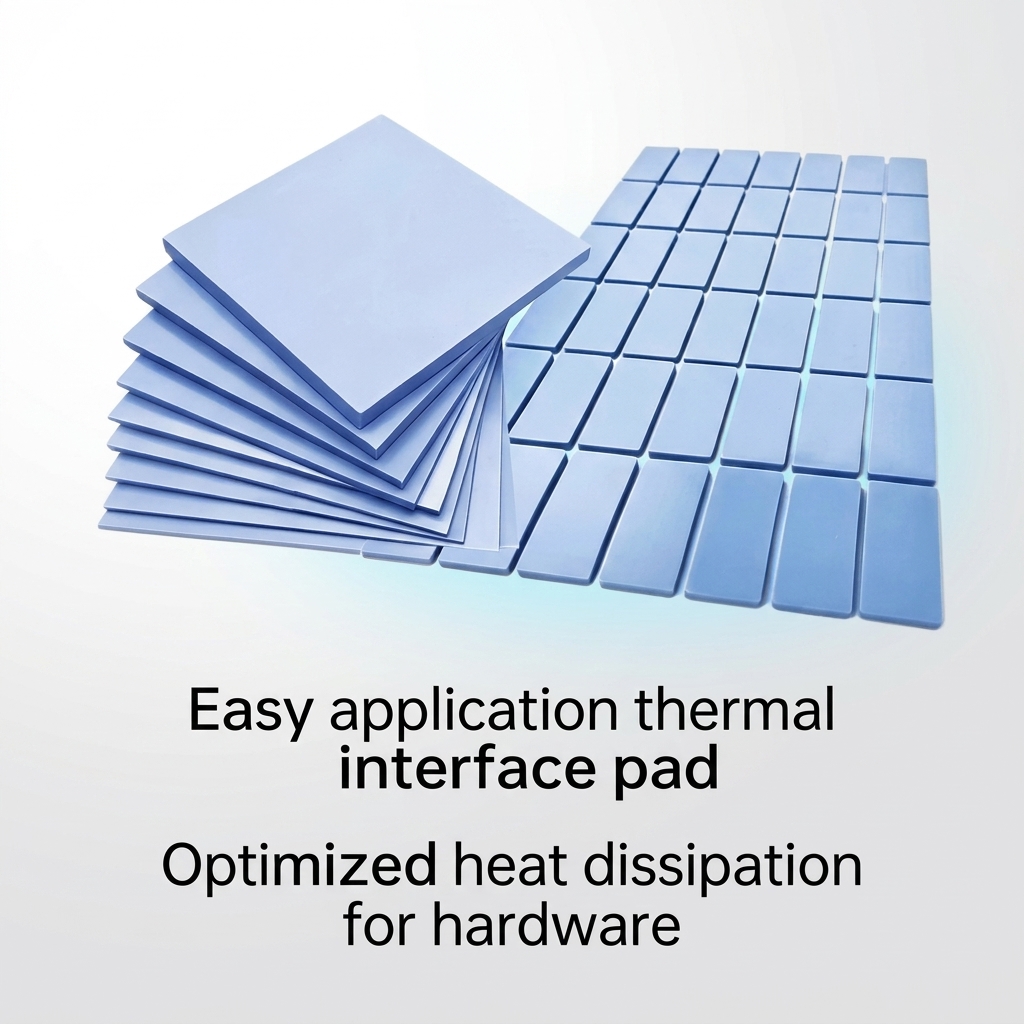
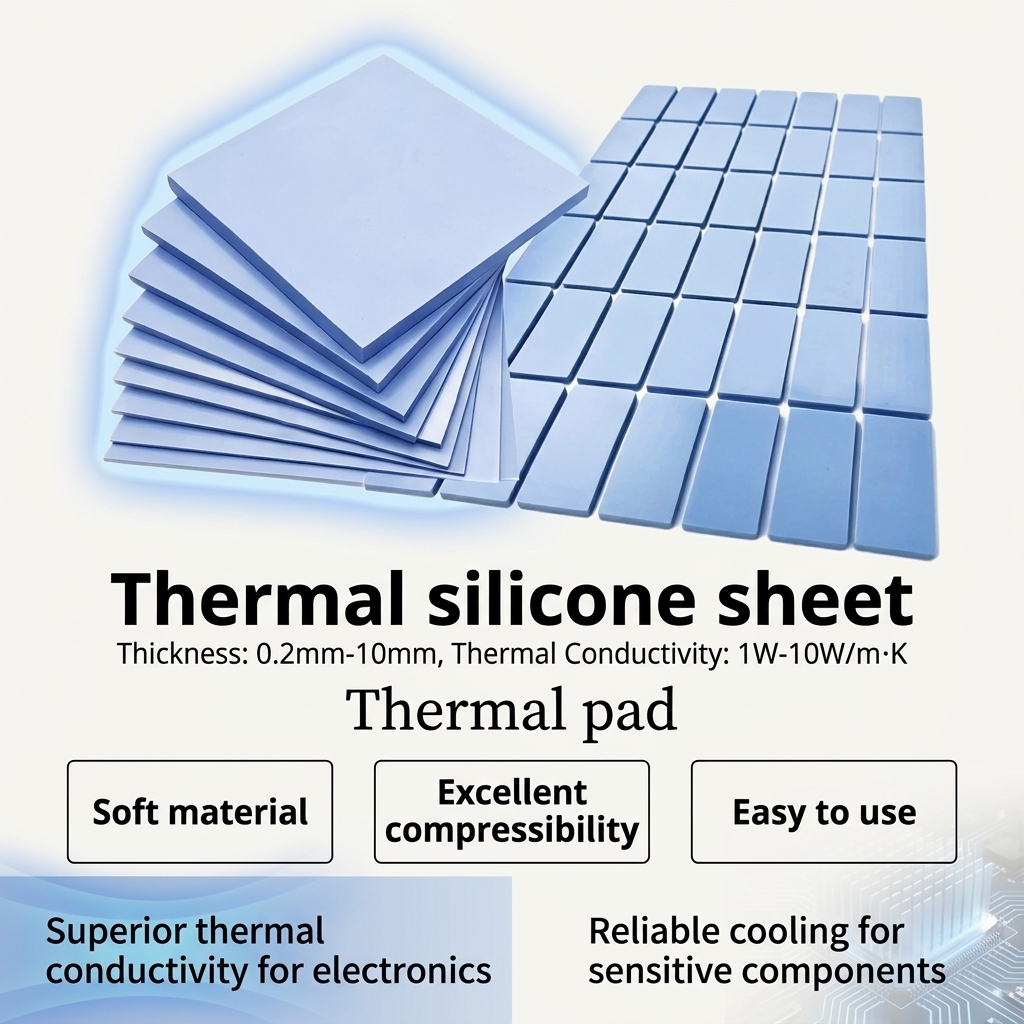
New energy battery-specific thermal pad is a high-safety and weather-resistant thermal interface material optimized for EV battery pack and new energy thermal management systems. Covering a full thermal conductivity range of 0.8W/mK to 12W/mK, it can flexibly match the heat dissipation requirements of battery cells, BMS modules and vehicle-mounted power components of different power levels. Aiming at the harsh vehicle working environment of alternating high and low temperatures, vibration and humidity, this material enhances weather resistance and structural stability, maintaining stable thermal conduction and mechanical toughness in the temperature range of -40℃ to 200℃.
Products details
Description
The high-flexibility compressible structure can absorb vehicle driving vibration and assembly tolerance, avoid thermal interface separation and gap failure, and ensure long-term consistent heat transfer between battery modules and cooling plates. Adopting halogen-free low-corrosion formula, it achieves zero silicone oil leakage and zero volatile precipitation, will not corrode battery circuits and metal structures, and improves the overall safety and service life of battery packs. It has excellent electrical insulation and flame retardant properties, fully compliant with UL safety and RoHS environmental standards, effectively preventing battery thermal runaway and short-circuit risks. Custom thickness, shape and back adhesive processing can be carried out according to battery pack structural drawings, realizing modular integrated assembly and improving the production efficiency and operational safety of new energy vehicles.
Application Scenarios
This weather-resistant thermal pad is mainly applied to new energy vehicle thermal management systems and energy storage battery equipment, including EV battery packs, battery BMS management modules, vehicle-mounted inverter power supplies and energy storage cabinet heat dissipation systems. It balances the temperature difference of battery modules, eliminates local hot spots, inhibits battery aging, and improves battery cycle life and overall system safety. Its excellent vibration resistance and environmental adaptability ensure stable operation in complex vehicle and outdoor energy storage environments, becoming a core safety thermal material for European and American new energy and energy storage supporting manufacturers.