Automotive Grade Thermal Pad 1.0–10.0W/mK, -40~200℃ Weather Resistant UL94 V-0 Flame Retardant for EV Battery
Product Specification
|
Parameter Item
|
Specification
|
Test Standard
|
|---|---|---|
|
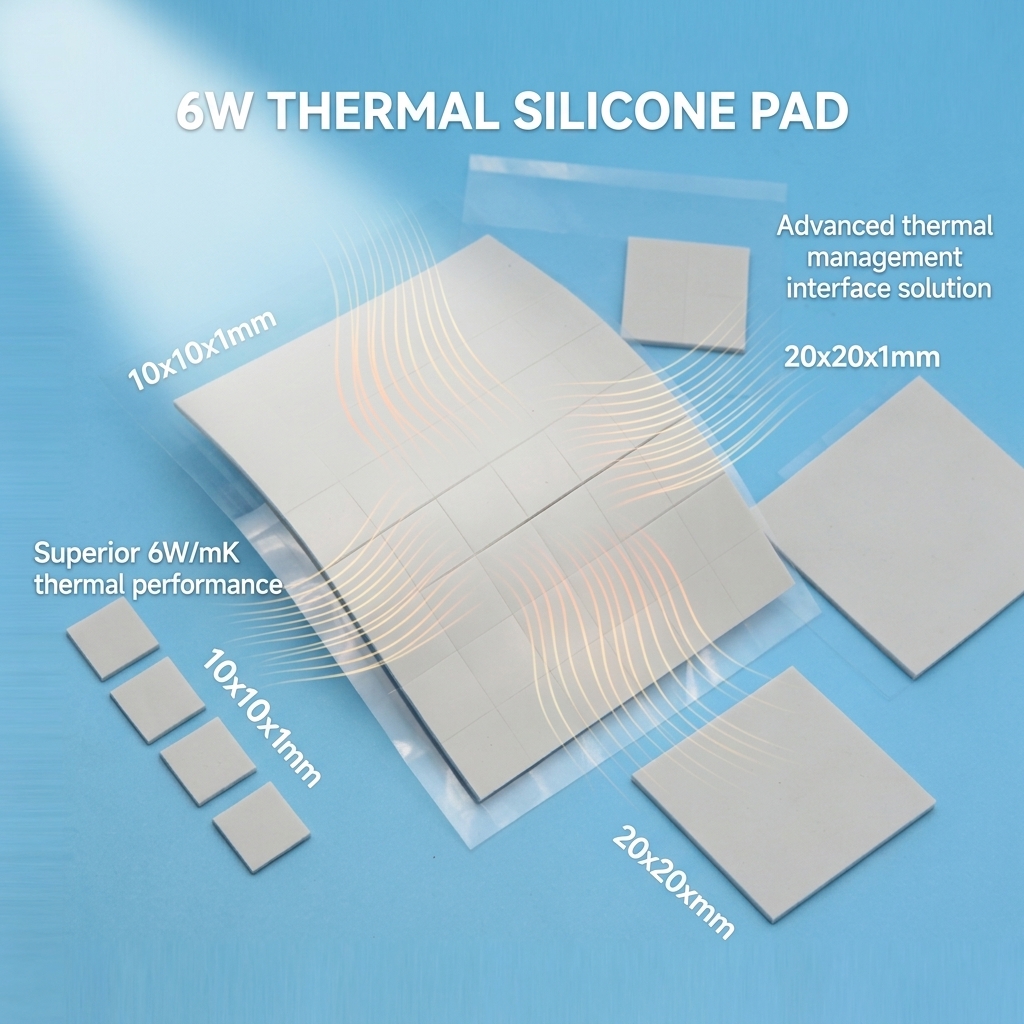
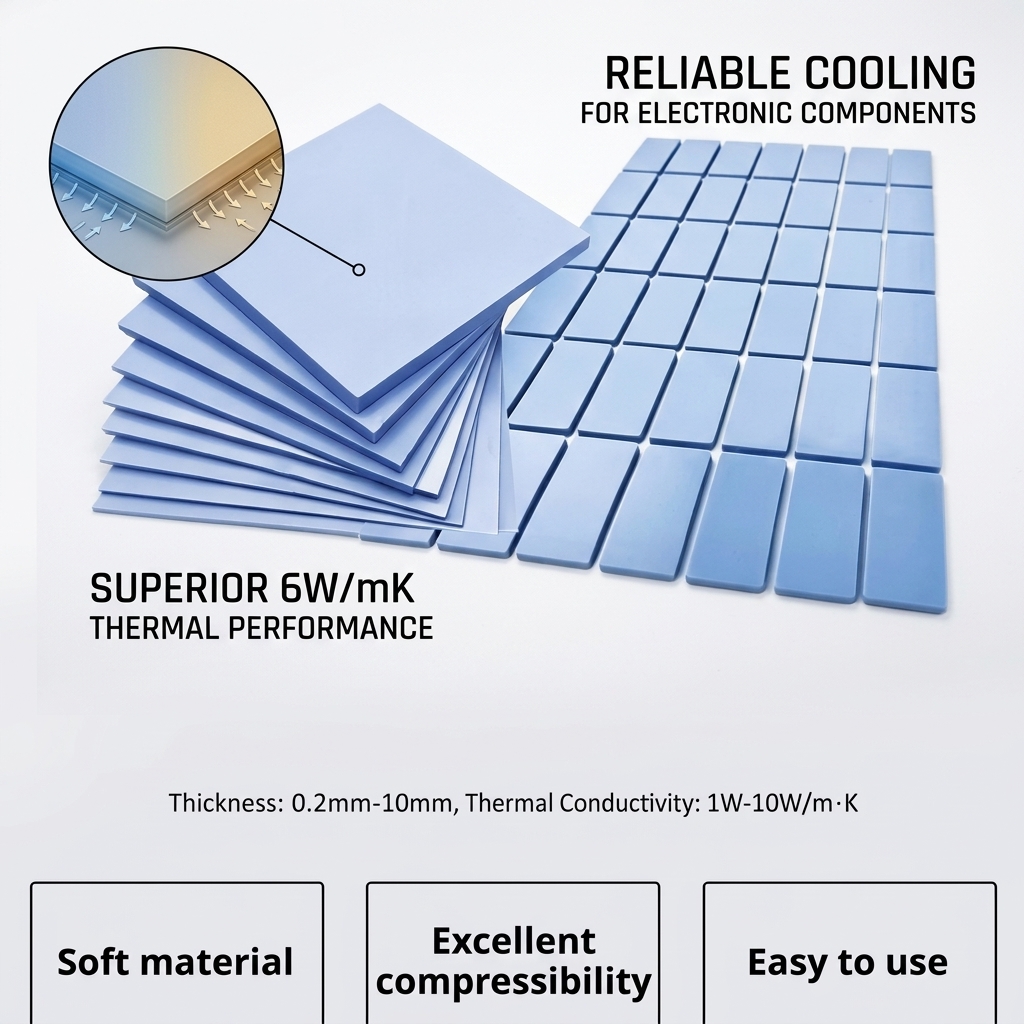
Thermal Conductivity
|
1.0~10.0W/m·K
|
ASTM D5470
|
|
Automotive Working Temp Range
|
-40℃ ~ 200℃
|
Automotive Weather Resistance Test
|
|
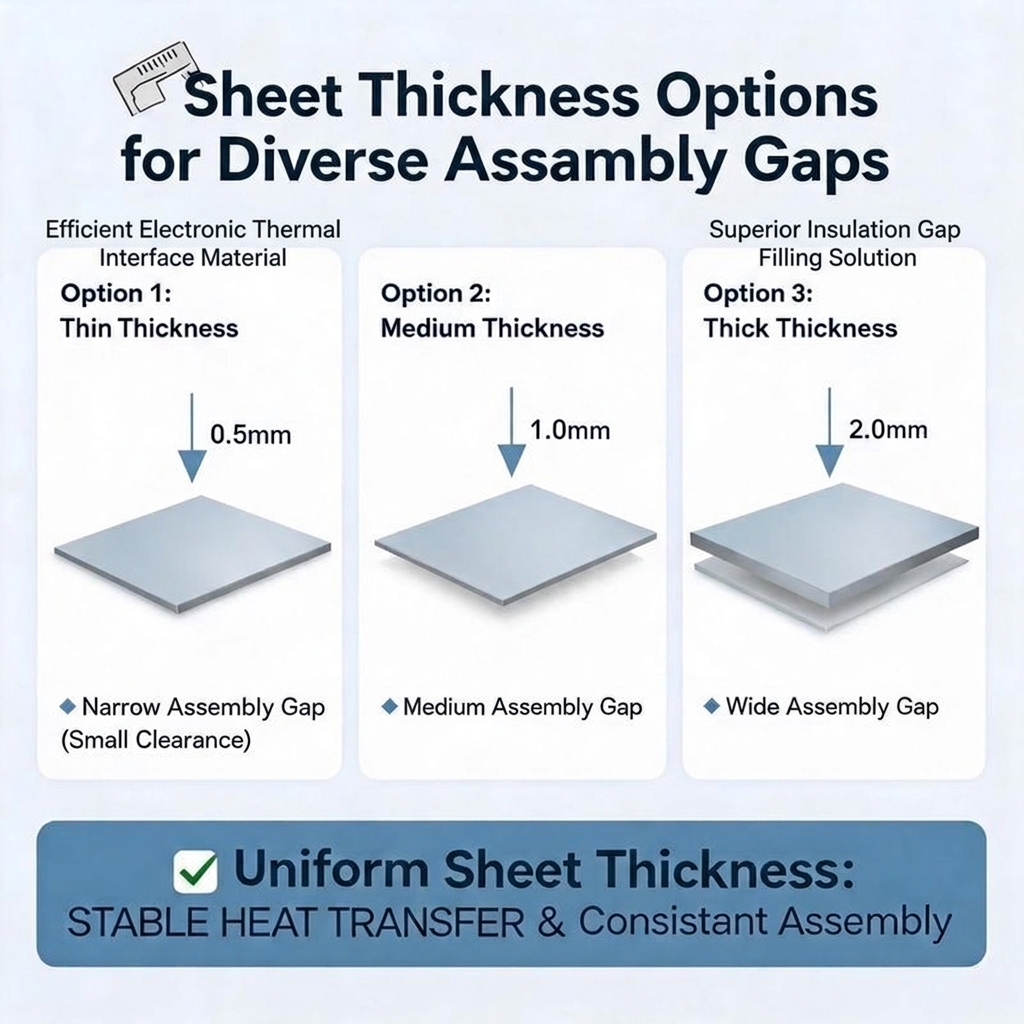
Custom Thickness
|
0.2mm ~ 10mm
|
Automotive Module Customization
|
|
Flame Retardant Grade
|
UL94 V-0 (Automotive Certified)
|
UL94 Automotive Standard
|
|
Vibration Resistance
|
No Peeling, No Failure
|
Vehicle Vibration Cycle Test
|
|
Environmental Grade
|
Halogen-free, RoHS Compliant
|
Automotive Environmental Standard
|
Products details
Application Scenarios
This automotive-grade thermal pad is mainly applied to new energy vehicle core thermal management systems, including EV battery packs, battery BMS management modules, vehicle-mounted inverter power supplies, automotive LED headlights, automotive central control electronic modules and ADAS precision sensing equipment. It adapts to harsh vehicle working conditions such as high and low temperature alternation, vibration and humidity, effectively balancing battery temperature, eliminating hot spots, improving battery cycle life and vehicle electronic system stability. It is a necessary safety thermal material for European and American new energy vehicle supporting manufacturers.
Description
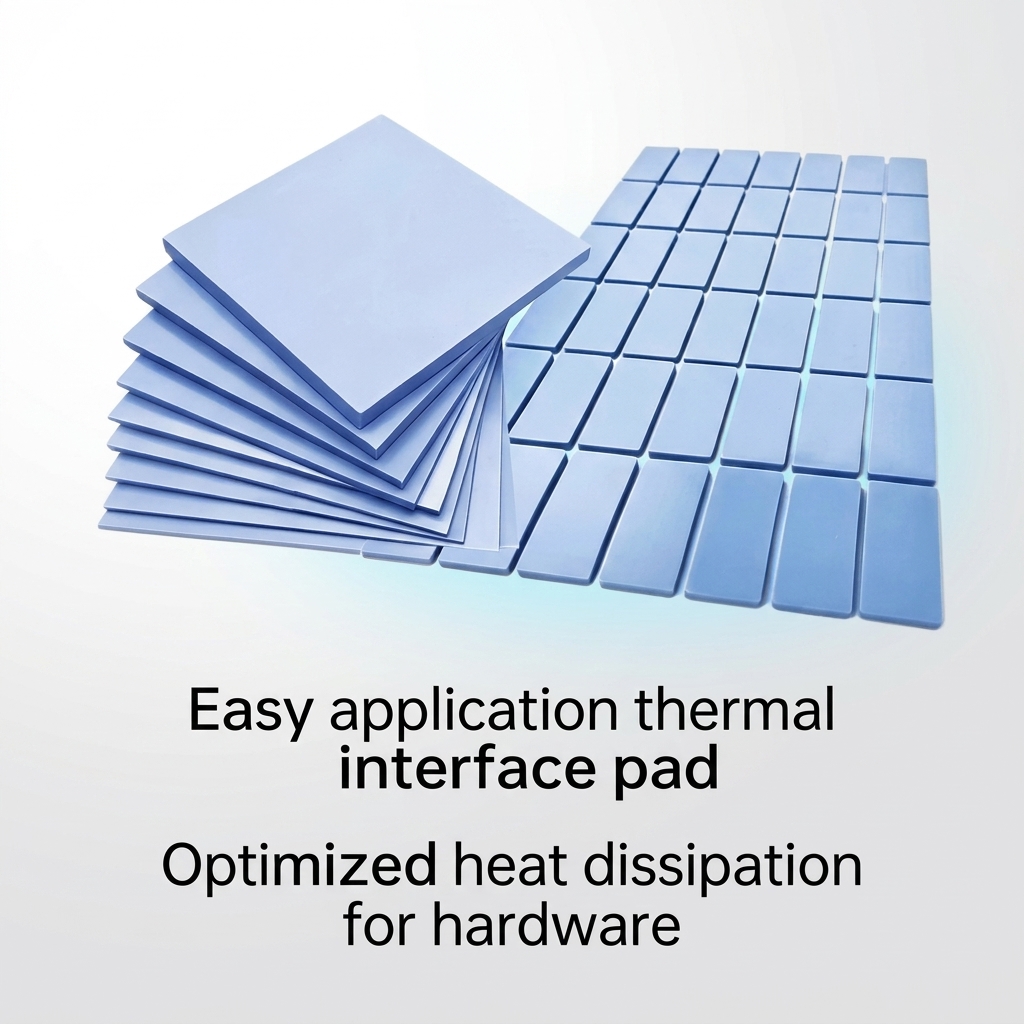
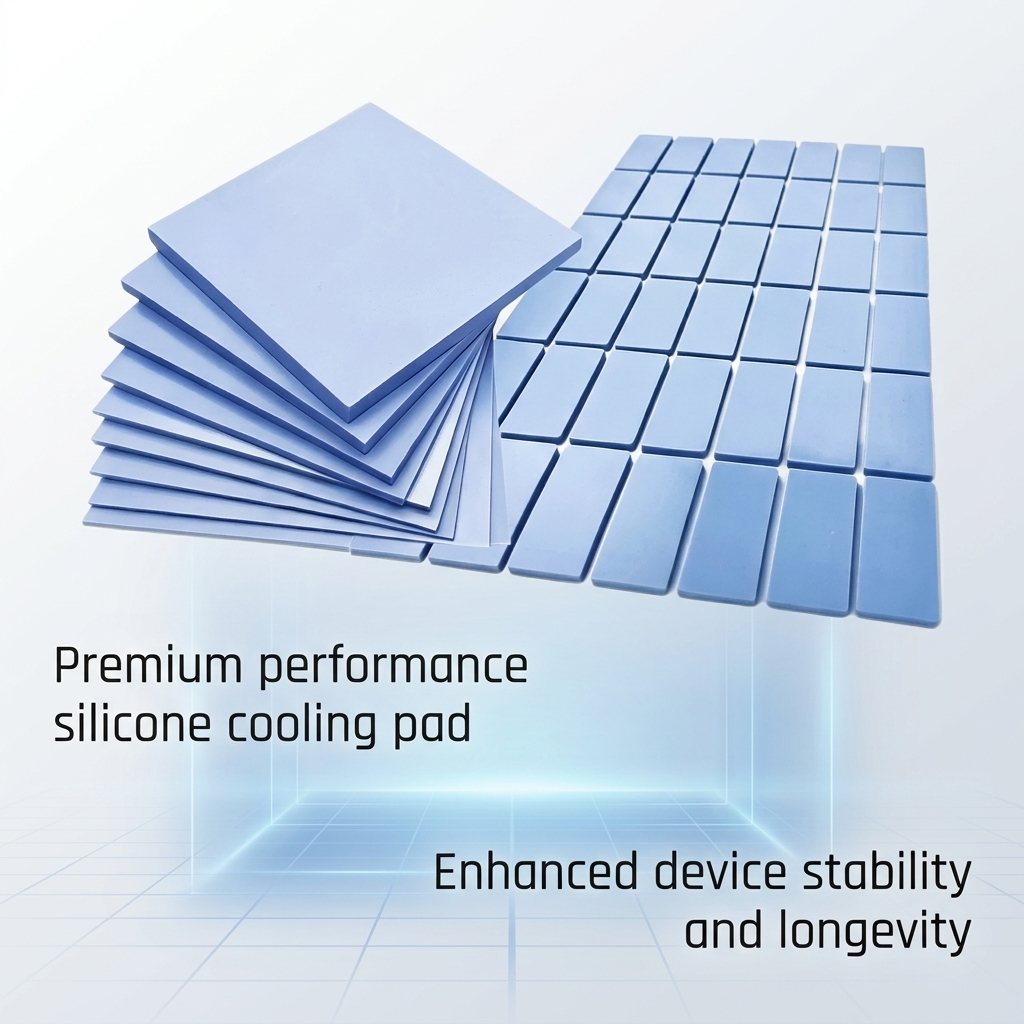
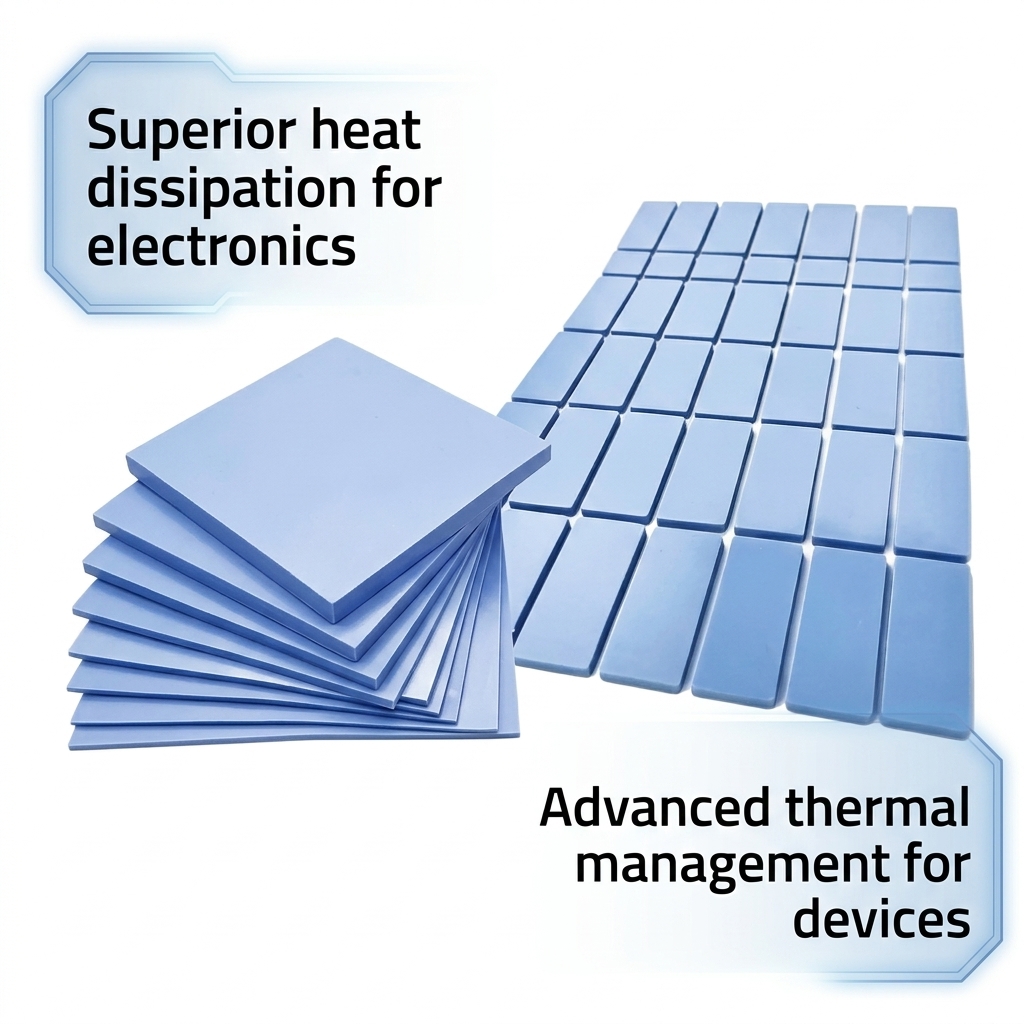
The ultra-soft and high-flexibility material design can produce micro-compression deformation under slight assembly pressure, fully filling the micro gaps on the surface of precision chips and circuit boards, eliminating air thermal resistance and achieving efficient and uniform heat dissipation. Compared with thermal grease, the solid ultra-thin thermal pad has no oil overflow, no particle pollution, will not cause short circuit or contamination damage to precision electronic circuits, and greatly improves the yield rate of precision electronic products. It supports personalized customization of thickness, size, shape and hardness, and can be precisely die-cut into various special shapes according to customer drawings, fully adapting to the structural design of miniaturized electronic equipment. The material has low assembly stress, will not cause extrusion damage to fragile precision chips and components, and is very suitable for automated high-precision assembly lines in European and American electronic factories.